
LS Manual Transmission: An Overview
LS swaps paired with manual transmissions are increasingly popular, offering a rewarding driving experience. Clutch issues and shifter feel are common concerns,
requiring careful attention.
Regular maintenance, fluid checks, and understanding potential problems are crucial for longevity. Upgrades like short-throw shifters enhance performance.
Choosing the right transmission and components is vital for a successful and enjoyable conversion, ensuring reliability and driving pleasure;
What is an LS Engine?
The LS engine family, produced by General Motors, represents a cornerstone of modern performance and swap culture. Initially appearing in 1997, these small-block V8 engines—like the LS1, LS2, LS3, and subsequent iterations—quickly gained a reputation for their robust design, affordability, and substantial power potential.
Their overhead valve configuration, coupled with aluminum cylinder heads and blocks, contributes to a favorable power-to-weight ratio. This makes them exceptionally well-suited for a wide range of applications, including muscle car restorations, hot rods, and, crucially, swaps into vehicles originally not equipped with a V8. The LS engine’s relatively compact size and widespread availability further solidify its position as a favorite among enthusiasts seeking a powerful and reliable powertrain.
Why Choose a Manual Transmission with an LS?
Pairing an LS engine with a manual transmission elevates the driving experience beyond simply adding power. It fosters a direct connection between driver and machine, offering greater control and engagement. Many enthusiasts prefer the tactile feedback and involvement of shifting gears themselves, especially with the potent torque delivery of an LS.
Furthermore, a manual transmission can often be more reliable and less complex than an automatic, potentially reducing long-term maintenance costs. It also allows for greater customization and the ability to select gear ratios tailored to specific driving styles or applications, maximizing performance and enjoyment.

Common LS Manual Transmission Options
Popular choices include the robust T56, the modern Tremec T6060, and the budget-friendly NV3500. Each offers unique strengths for various LS swap projects.
T56 Transmission

The T56 is a widely-used 6-speed manual transmission, originally found in GM’s muscle cars like the Corvette and Camaro. It’s known for its strength and relatively affordable price point, making it a favorite for LS swaps. Several variations exist, including the LT1 and LS1 versions, differing in spline counts and bellhousing patterns.
Finding a T56 is generally easy, with many available through salvage yards and aftermarket suppliers. However, age can be a factor, so inspecting for wear is crucial. Upgraded synchronizers and stronger internal components are available for those seeking increased durability, especially for high-horsepower applications. It’s a solid, proven option for many builds.
Tremec T6060 Transmission

The Tremec T6060 represents a significant upgrade over the T56, offering increased strength and modern features. This 6-speed manual transmission boasts stronger gears and shafts, capable of handling considerably more horsepower and torque. It’s a popular choice for high-performance LS swaps aiming for substantial power gains.
Compared to the T56, the T6060 typically commands a higher price, reflecting its enhanced capabilities. It features a wider gear ratio spread and improved shift quality. Installation often requires a unique bellhousing and potentially a modified transmission crossmember. It’s a premium option for serious enthusiasts.
NV3500 Transmission
The NV3500 is a robust 5-speed manual transmission, often favored for its affordability and durability, making it a practical choice for LS swaps. While not as performance-oriented as the T56 or T6060, it’s a strong contender for trucks and heavier applications where outright speed isn’t the primary concern.
It’s known for its relatively simple design and ease of installation, often requiring minimal modification. However, it generally has a heavier feel and wider gear ratios compared to modern transmissions. It’s a cost-effective solution for adding a manual transmission to an LS engine, prioritizing reliability.

Installation Considerations
Successful LS swaps demand careful planning regarding pedal assemblies, clutch selection, and a properly fitted transmission crossmember for secure mounting.
Precise alignment and component compatibility are essential for smooth operation and avoiding future issues during the conversion process.
Pedal Assembly and Master Cylinder
Converting to a manual transmission necessitates a compatible pedal assembly, often requiring an aftermarket unit designed for LS swaps. Ensuring proper placement and travel is crucial for comfortable and efficient operation.
The master cylinder selection must match the transmission’s hydraulic requirements, if applicable, and provide adequate fluid volume for smooth clutch engagement.
Consider adjustable master cylinders to fine-tune pedal feel and eliminate issues like a spongy or overly stiff clutch. Proper bench bleeding of the master cylinder before installation is vital to remove air and ensure optimal performance. Careful attention to these details will contribute to a reliable and enjoyable driving experience.
Flywheel and Clutch Selection
Choosing the correct flywheel is paramount for a successful LS manual swap, dictated by the transmission’s input shaft and desired clutch setup. Lightweight flywheels enhance engine responsiveness, while heavier options offer smoother engagement and potentially increased durability.
Clutch selection depends on engine power and intended use; stock-style clutches are suitable for mild builds, while performance clutches are necessary for high-horsepower applications.
Consider the clutch disc diameter, spline count, and pressure plate clamping force. Proper break-in procedures are essential to maximize clutch life and prevent slippage or chatter, ensuring optimal performance and longevity.
Transmission Crossmember
A robust transmission crossmember is critical for securely mounting the manual transmission to the vehicle’s chassis. Often, factory crossmembers require modification or complete replacement to accommodate the LS engine and chosen transmission.
Aftermarket crossmembers are readily available, designed specifically for LS swaps, ensuring proper alignment and minimizing vibration.
Proper crossmember installation involves accurate measurement and secure bolting to the frame rails. Reinforcement may be necessary for high-horsepower applications. Ensuring adequate clearance for exhaust and driveshaft components is also vital for a successful installation.
Potential Problems and Troubleshooting
Common issues include clutch slippage, shifter binding, and synchro wear leading to grinding gears. Careful diagnosis and repair are essential for smooth operation.
Clutch Issues (Slipping, Chatter)
Clutch slippage, where the engine revs but speed doesn’t increase proportionally, often indicates a worn clutch disc. This can be exacerbated by high horsepower LS engines. Chatter, a shuddering sensation during engagement, suggests issues like glazed surfaces, a warped flywheel, or improper clutch break-in.
Troubleshooting involves inspecting the clutch disc for wear, checking the flywheel for damage or runout, and ensuring proper hydraulic system function. Contamination from oil or grease can also cause these problems. Addressing these issues promptly prevents further damage to the transmission and ensures optimal performance. A quality clutch kit matched to your engine’s power output is crucial.
Shifter Problems (Binding, Sloppy Feel)
Binding in an LS manual transmission shifter indicates resistance when selecting gears, often stemming from worn or misadjusted linkages. A sloppy feel, characterized by excessive play, suggests worn shifter bushings or internal transmission components. These issues detract from the driving experience and can hinder precise gear changes.
Troubleshooting involves inspecting the shifter linkage for wear, proper adjustment, and lubrication. Replacing worn bushings is a common fix. Internal transmission issues may require professional attention. Upgrading to a short-throw shifter can improve feel and precision, but won’t resolve underlying mechanical problems. Regular inspection and maintenance are key.
Synchro Wear and Grinding Gears
Synchro wear in an LS manual transmission manifests as difficulty engaging gears, often accompanied by grinding noises, particularly when shifting quickly. Synchronizers ensure gear speeds match before engagement; wear compromises this function. Ignoring grinding can cause significant transmission damage.
Early signs often appear in specific gears, like third or fifth. Troubleshooting involves assessing fluid levels and condition, as low or contaminated fluid exacerbates wear. Severe wear necessitates transmission rebuild or replacement. Proper shifting technique – fully depressing the clutch and avoiding forceful shifts – minimizes stress on synchronizers, extending their lifespan.

Maintenance and Fluid Recommendations
Regular fluid checks and changes are vital for LS manual transmission health. Inspect seals and linkages periodically to prevent leaks and maintain smooth operation.
Fluid Type and Change Intervals
Selecting the correct fluid is paramount for LS manual transmission longevity. Most transmissions require a specific GL-4 gear oil, often with a viscosity of 75W-90. Avoid GL-5 fluids, as they can corrode the brass synchronizers commonly found in these transmissions.
Change intervals depend on usage. For street driving, a fluid change every 30,000-50,000 miles is generally recommended. However, for aggressive driving, track use, or frequent towing, shortening this interval to 15,000-30,000 miles is advisable. Always consult the transmission manufacturer’s specifications for precise recommendations. Regular fluid analysis can also help determine the optimal change frequency.
Inspecting Seals and Linkages
Regularly inspect the transmission’s input and output shaft seals for leaks. Look for signs of fluid accumulation around the transmission case. Address any leaks promptly to prevent fluid loss and potential damage. Check shifter linkages for wear and proper adjustment. Sloppy linkages contribute to imprecise shifting and can strain the transmission.
Examine the clutch master and slave cylinders for leaks and smooth operation. Inspect the clutch fork for wear. Ensure all linkage points are properly lubricated. Addressing these issues proactively prevents more significant problems and maintains optimal transmission performance and driver experience.

Performance Upgrades
Enhance your LS manual transmission with short-throw shifters for quicker shifts. Stronger clutch kits handle increased power, while lightweight flywheels improve engine responsiveness.
Short Throw Shifters
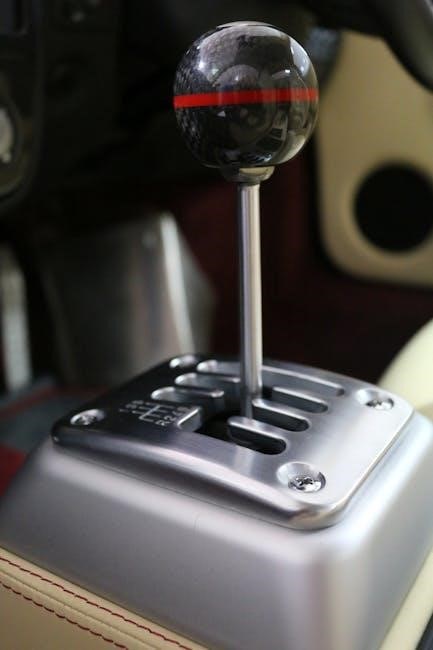
Short throw shifters dramatically reduce the distance required to move the gear lever between gears, resulting in quicker and more precise shifts. This upgrade is popular for LS manual transmission swaps, enhancing the driving experience and providing a more connected feel.
Several manufacturers offer short throw shifters specifically designed for LS transmissions like the T56 and T6060. Installation typically involves replacing the factory shifter assembly with the aftermarket unit. Adjustability is a key feature, allowing drivers to customize the shift throw to their preference.
Benefits include faster lap times on the track, improved driver engagement on the street, and a generally more sporty feel. Consider the quality of construction and adjustability when selecting a short throw shifter.
Stronger Clutch Kits
LS engines produce significant power, often exceeding the capacity of the factory clutch. Upgrading to a stronger clutch kit is crucial, especially with performance modifications. These kits typically include a heavy-duty pressure plate, a performance-grade disc, and a reinforced throw-out bearing.

Choosing the right clutch depends on your engine’s power output and intended use. Options range from organic clutches for street driving to multi-disc clutches for extreme horsepower. Consider the pedal effort; some performance clutches require significantly more force.
A robust clutch kit prevents slippage, ensures reliable power transfer, and extends the lifespan of the transmission. Proper break-in procedures are essential for optimal performance and longevity.
Lightweight Flywheels
Reducing rotational mass with a lightweight flywheel significantly improves engine responsiveness and acceleration. These flywheels, typically made from billet steel or aluminum, allow the engine to rev more freely, enhancing the driving experience. However, they can also increase drivetrain vibrations and require adjustments to the idle speed.
Choosing the right flywheel weight is a balance between performance and drivability. Extremely lightweight flywheels can make the car more difficult to drive smoothly at low speeds.
Installation requires careful balancing to prevent vibrations. A lightweight flywheel complements a stronger clutch kit, maximizing the benefits of a manual transmission swap.
Cost Analysis
LS manual swaps range from $1,500 to $5,000+, depending on parts chosen and labor. Clutch kits, transmissions, and installation significantly impact the final price.
Parts Costs
Essential components for an LS manual transmission swap accumulate costs quickly. A quality clutch kit, including the disc, pressure plate, and throw-out bearing, typically ranges from $300 to $800, depending on the intended use and horsepower rating. The transmission itself is a major expense; a T56 can cost between $1,500 and $3,000, while a Tremec T6060 is often $2,500 to $4,000.
Don’t forget the flywheel, ranging from $200 to $500, and a new pedal assembly, around $200-$400. A transmission crossmember is usually $150-$300. Smaller items like a master cylinder ($100-$200), shifter ($100-$400), and hardware add to the total, potentially reaching $3,500 ⎯ $6,000 for all new parts.
Labor Costs (if applicable)
Professional installation of an LS manual transmission can significantly increase the overall cost. Labor rates vary widely by region and shop expertise, generally ranging from $80 to $150 per hour. A complete swap, including removing the old transmission, installing the new one, pedal assembly, and clutch, can take 20 to 40 hours.
Therefore, labor costs could fall between $1,600 and $6,000. Modifications to the transmission tunnel or exhaust may add to the time and expense. If you’re comfortable with mechanical work, performing the swap yourself can save substantial money, but requires significant skill and time.
Resources and Communities
Online LS forums and transmission specialist websites offer invaluable support, advice, and parts sourcing for your manual swap project.
These communities provide a wealth of knowledge from experienced enthusiasts, aiding in troubleshooting and successful installations.
LS Engine Forums
Dedicated LS engine forums are a cornerstone of the community, providing a platform for enthusiasts to share knowledge and experiences regarding manual transmission swaps. These forums often feature detailed build threads, covering everything from initial planning and parts selection to installation challenges and troubleshooting.

You’ll find discussions on specific transmission options like the T56 and Tremec T6060, along with advice on clutch selection, flywheel compatibility, and pedal assembly modifications. Members readily offer guidance on diagnosing issues like clutch slippage, shifter binding, or synchro wear.
Active forums also serve as marketplaces for used parts, offering cost-effective solutions for your project. Don’t hesitate to search existing threads or post your own questions – the collective wisdom of the LS community is a valuable resource.
Transmission Specialist Websites
Specialist websites dedicated to transmissions offer in-depth technical information and support for LS manual swaps. These resources often provide detailed specifications, rebuild guides, and performance parts specifically tailored for LS applications. You can find comprehensive catalogs of T56, T6060, and NV3500 transmissions, along with compatible components like clutches, flywheels, and shifters.
Many sites feature expert advice from experienced transmission builders, assisting with parts selection and troubleshooting complex issues. They often offer transmission identification services and rebuild kits, simplifying the process.
Furthermore, these websites frequently host technical articles and videos, providing valuable insights into transmission operation and maintenance, ensuring a successful swap.