
Classroom Management: A Deep Dive Based on Harry Wong’s Principles
Effective classroom management, as detailed in Harry Wong’s work, is the foundation for a successful and productive learning environment for all students․
Classroom management isn’t simply about controlling student behavior; it’s a proactive and comprehensive approach to creating a learning environment that supports academic success and positive social-emotional development․ Harry Wong, in his seminal work, The First Days of School, emphasizes that effective teaching and effective classroom management are inextricably linked․

A well-managed classroom minimizes disruptions, maximizes instructional time, and fosters a sense of community where students feel safe, respected, and motivated to learn․ This introduction will explore the core principles of Wong’s philosophy, highlighting the importance of preparation, clear expectations, and consistent routines․ We will delve into how these elements contribute to a thriving classroom where both teachers and students can flourish․
II․ The Importance of Classroom Management
Robust classroom management is paramount, directly influencing several critical aspects of the educational experience․ Firstly, it significantly impacts student achievement; a focused learning environment allows students to absorb information more effectively, leading to improved academic outcomes․ Secondly, it’s crucial for creating a positive learning environment where students feel secure, valued, and encouraged to participate․
Furthermore, effective management directly contributes to teacher well-being and retention․ Reducing disruptive behaviors minimizes stress and burnout, allowing educators to focus on teaching and fostering student growth․ Ignoring classroom management creates chaos, hindering learning and diminishing the joy of teaching, ultimately impacting the entire school community․
A․ Impact on Student Achievement
A well-managed classroom directly correlates with heightened student academic performance․ When routines are established and expectations are clear, instructional time is maximized, allowing for deeper engagement with the curriculum․ Minimizing disruptions – a key tenet of Harry Wong’s philosophy – frees students from distractions, fostering concentration and improved comprehension․
Students thrive in structured environments where they understand behavioral expectations․ This predictability reduces anxiety and allows them to focus on learning, rather than navigating uncertainty․ Consequently, consistent classroom management practices contribute to higher test scores, increased participation, and a greater overall love of learning․
B․ Creating a Positive Learning Environment
Beyond academics, effective classroom management, as advocated by Harry Wong, cultivates a supportive and inclusive atmosphere․ A positive learning environment prioritizes respect, empathy, and a sense of belonging for every student․ When students feel safe and valued, they are more willing to take risks, participate actively, and collaborate with peers․
This environment isn’t simply about the absence of negative behaviors; it’s about proactively building a community where students feel empowered to learn and grow․ Wong emphasizes establishing routines and procedures that foster responsibility and self-discipline, contributing to a harmonious and productive classroom culture․

C․ Teacher Well-being and Retention
Harry Wong’s principles of classroom management directly impact teacher well-being and contribute to higher retention rates within the profession․ A well-managed classroom reduces stress and burnout for educators, allowing them to focus on instruction and student growth rather than constantly addressing disruptive behaviors․
When teachers feel confident in their ability to manage the classroom effectively, they experience greater job satisfaction and are more likely to remain in the field․ Proactive strategies, as Wong champions, prevent many issues from escalating, saving teachers valuable time and emotional energy․ This ultimately fosters a more sustainable and rewarding career․
III․ Harry Wong’s Core Philosophy
At the heart of Harry Wong’s approach to classroom management lies a belief in proactive planning and establishing a positive classroom culture from day one․ His philosophy, extensively outlined in “The First Days of School,” emphasizes that most classroom problems stem from a lack of clear procedures and expectations, not necessarily from student misbehavior․
Wong advocates for teachers to meticulously plan and rehearse routines, ensuring students understand precisely what is expected of them․ This preventative approach minimizes disruptions and maximizes instructional time․ He stresses that a well-managed classroom isn’t about control, but about creating an environment conducive to learning for everyone․
A․ The First Days of School: Setting the Tone
Harry Wong dedicates a significant portion of his work to the critical importance of the first days of school․ He argues these initial moments are not simply about introducing content, but about establishing the classroom’s culture, routines, and expectations․ A meticulously planned opening sets the stage for a successful year, preventing problems before they arise․
Wong advises teachers to spend this time explicitly teaching procedures – how to enter the room, submit work, ask questions, and transition between activities․ These aren’t assumed; they are taught and practiced․ This deliberate approach communicates to students that the classroom is a structured and organized learning environment․
B․ Proactive vs․ Reactive Management
A cornerstone of Harry Wong’s philosophy is the distinction between proactive and reactive classroom management․ Reactive management involves addressing misbehavior after it occurs – a constant cycle of correction․ Wong strongly advocates for a proactive approach, focusing on preventing disruptions through careful planning and establishing clear expectations from the outset․
This means designing lessons that are engaging and appropriate for students’ levels, implementing well-defined procedures, and creating a physically organized classroom․ By anticipating potential problems and addressing them preemptively, teachers minimize the need for reactive interventions, fostering a more positive and productive learning atmosphere․
C․ The Three Characteristics of Effective Teachers (Wong & Wong)
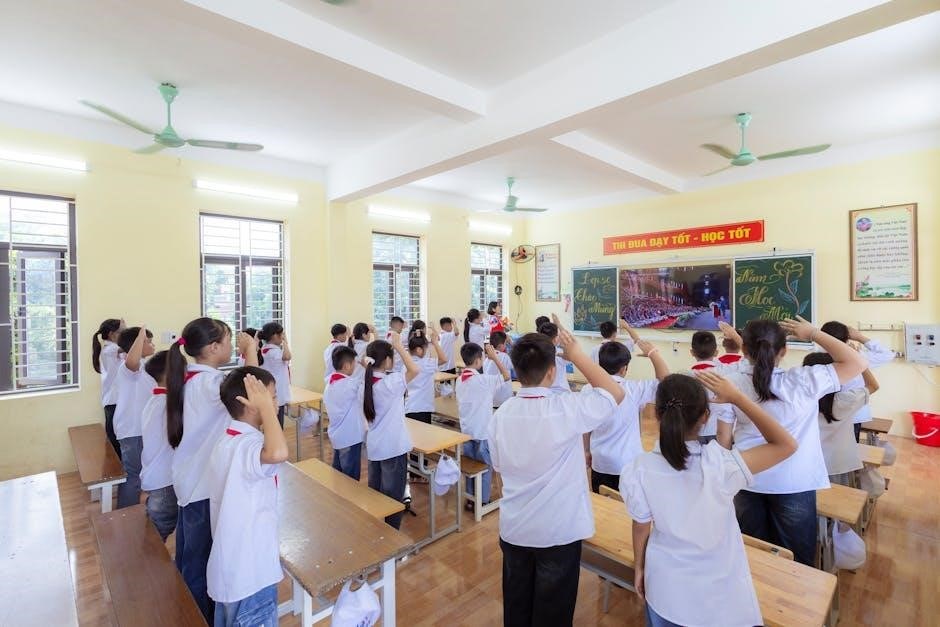
Harry Wong and Rosemary Wong identify three key characteristics that consistently define effective teachers․ The first is withitness – a teacher’s awareness of what is happening in the classroom, preventing potential issues before they escalate․ Secondly, smoothness refers to the seamless flow of lessons and activities, minimizing wasted time and maximizing engagement․
Finally, momentum describes maintaining a brisk pace and keeping students actively involved․ These aren’t innate talents, but skills honed through deliberate practice and a commitment to thoughtful classroom organization․ Mastering these characteristics allows teachers to create a focused and productive learning environment․
IV․ Establishing Rules and Procedures
A well-managed classroom hinges on clearly defined rules and consistently taught procedures․ Rules, according to Wong, should be few in number, positively stated, and focused on safety and respect․ Procedures, however, govern the daily routines – everything from entering the classroom to submitting assignments․
Unlike rules which address infrequent misbehavior, procedures dictate how things are done․ Teachers must explicitly teach these procedures, practice them repeatedly, and reinforce them consistently․ This proactive approach minimizes confusion and maximizes instructional time, fostering a predictable and orderly learning environment․
A․ Developing Clear and Concise Rules
Harry Wong emphasizes that effective classroom rules are not about control, but about creating a safe and productive learning environment․ Rules should be limited – typically three to five – to be easily remembered and consistently enforced․ They must be stated positively, focusing on desired behaviors rather than what students shouldn’t do․
For example, instead of “No talking out of turn,” a rule could be “Raise your hand to speak․” Rules should be developed with student input whenever possible, fostering a sense of ownership and responsibility․ Clarity is paramount; rules must be understandable to all students, regardless of background or ability․
B․ Teaching Procedures: The “How-To” of the Classroom
According to Harry Wong, procedures are distinct from rules; rules tell students what is expected, while procedures explain how things are done․ These encompass the daily routines of the classroom – everything from entering the room and turning in assignments to asking for help and transitioning between activities․
Wong advocates for explicitly teaching procedures, modeling the correct way to perform them, and then practicing until they become automatic․ Don’t assume students instinctively know how to line up, sharpen pencils, or participate in group work․ Consistent practice and reinforcement are crucial for establishing effective procedures․
C․ Consistency is Key: Enforcing Rules and Procedures
Harry Wong emphasizes that consistency in enforcing rules and procedures is paramount for effective classroom management․ Inconsistent application creates confusion and undermines the established expectations․ Students quickly learn what they can “get away with” if rules are selectively enforced․
This doesn’t mean rigidity, but rather a predictable response to both positive and negative behaviors․ Follow through with consequences for rule infractions, and acknowledge adherence to procedures․ A consistent approach builds trust and demonstrates fairness, fostering a more disciplined and respectful learning environment․
V․ Physical Space and Classroom Setup
According to Harry Wong, a well-organized classroom physically supports effective teaching and learning․ The arrangement should minimize distractions and maximize visibility of all students․ Consider traffic flow – can students move around easily without disrupting others? A thoughtfully designed space proactively prevents many behavioral issues․
Wong advocates for a classroom that is inviting and conducive to learning, not cluttered or chaotic․ Strategic placement of furniture, learning centers, and materials contributes to a positive and focused atmosphere․ The physical environment sends a clear message about expectations for behavior and learning․
A․ Arranging the Classroom for Optimal Learning
Harry Wong emphasizes that classroom arrangement isn’t about aesthetics; it’s about functionality and student engagement․ He suggests arranging desks to facilitate direct instruction, group work, and individual activities․ Consider a U-shape or horseshoe arrangement for discussions, or rows for focused tasks․
Prioritize clear pathways for teacher movement, ensuring easy access to all students․ Avoid creating blind spots where misbehavior can occur unnoticed․ The teacher’s desk shouldn’t be a barrier but a strategic point for observation and interaction․ A well-planned layout proactively supports effective teaching and minimizes disruptions․
B․ Minimizing Distractions and Maximizing Visibility
According to Harry Wong, a distraction-free environment is crucial for student focus․ This means carefully considering wall displays – keep them relevant and uncluttered․ Avoid excessive decorations that compete for attention․ Ensure all students have a clear line of sight to the whiteboard and the teacher, regardless of their seating position․
Minimize visual clutter and noise levels․ Strategically position learning centers to avoid congestion․ Wong advocates for a classroom where students can easily monitor their surroundings, fostering a sense of shared responsibility for maintaining a productive learning space․ Visibility promotes accountability and reduces opportunities for off-task behavior․
C․ Utilizing Wall Space for Instruction and Engagement
Harry Wong emphasizes that classroom walls shouldn’t just be decorative; they should actively support learning․ Use wall space to display student work, showcasing accomplishments and fostering a sense of pride․ Create anchor charts collaboratively with students, reinforcing key concepts and skills․ These serve as visual reminders during independent practice․
Display learning objectives and essential questions prominently․ Consider a “word wall” for vocabulary development․ Wong suggests walls should be dynamic, changing with the unit of study․ Avoid overwhelming displays; prioritize clarity and relevance to current lessons, transforming the room into an interactive learning hub․
VI․ Building Positive Relationships with Students
Harry Wong stresses that positive relationships are paramount to effective classroom management․ Students are more likely to engage and cooperate with teachers they respect and trust․ Take the time to learn students’ names quickly and use them frequently․ Show genuine interest in their lives, hobbies, and interests outside of school․
Create opportunities for informal interactions, like brief chats before or after class․ Demonstrate empathy and understanding, acknowledging their feelings and perspectives․ A positive classroom climate built on mutual respect fosters a sense of belonging and encourages students to take risks․

A․ Getting to Know Your Students
According to Harry Wong, truly knowing your students is the cornerstone of building rapport and establishing a positive learning environment․ This goes beyond simply memorizing names; it involves understanding their individual backgrounds, learning styles, strengths, and challenges․ Utilize questionnaires, “all about me” activities, or brief individual conferences at the start of the year․
Pay attention to their non-verbal cues and interactions with peers․ Discovering their interests allows you to personalize lessons and connect with them on a deeper level․ Knowing students’ home lives (where appropriate) can provide valuable context for their behavior and academic performance․
B․ Showing Respect and Empathy
Harry Wong emphasizes that respect and empathy are not merely “soft skills,” but essential components of effective classroom management․ Demonstrating genuine respect for students means valuing their opinions, acknowledging their feelings, and treating them with dignity, even when addressing misbehavior․
Empathy involves attempting to understand situations from a student’s perspective․ This doesn’t equate to excusing inappropriate behavior, but rather responding with understanding and a willingness to help them learn from their mistakes․ Active listening, validating their emotions, and using a calm, respectful tone are crucial․
C․ Positive Reinforcement and Encouragement
Wong advocates for a proactive approach centered on positive reinforcement, believing it’s far more effective than solely focusing on correcting negative behaviors․ Catching students being “good” and acknowledging their efforts, even small ones, fosters a positive classroom climate․
Encouragement goes beyond simple praise; it focuses on effort and progress․ Specific, descriptive feedback (“I noticed how you persevered with that challenging problem”) is more impactful than generic statements․ Regularly acknowledging positive contributions builds student confidence and motivates continued engagement․ Acknowledging improvement is key!
VII․ Dealing with Misbehavior (Proactive Strategies)
Harry Wong emphasizes preventing misbehavior through well-established routines and a positive classroom culture․ Proactive strategies focus on anticipating potential issues and addressing them before they escalate․ This includes strategic seating arrangements to minimize distractions and maximize student engagement․
Non-verbal cues, like eye contact or proximity control, can often redirect off-task behavior without disrupting the lesson․ Skillfully re-engaging students by asking questions or providing support demonstrates care and redirects focus․ Building strong relationships allows teachers to address minor issues privately and respectfully, preventing public confrontations․
A․ Non-Verbal Cues and Proximity Control
Harry Wong highlights the power of subtle interventions before resorting to verbal reprimands․ Non-verbal cues, such as a direct gaze, a head shake, or a pointed finger, can often redirect a student’s attention without disrupting the learning flow for others․ Proximity control – simply moving closer to a student exhibiting off-task behavior – is another effective technique․
These strategies are discreet and avoid public embarrassment, preserving the student’s dignity․ Wong stresses that consistent use of these cues, coupled with a calm demeanor, communicates expectations clearly․ They demonstrate a teacher’s awareness and care, subtly guiding students back on track․
B․ Redirecting and Re-Engaging Students
According to Harry Wong, skillful redirection is crucial for addressing minor disruptions and re-establishing focus․ This involves gently guiding a student back to the task at hand, rather than dwelling on the misbehavior․ Techniques include asking a clarifying question, assigning a quick task, or offering a choice within acceptable parameters․
Re-engagement strategies aim to recapture a student’s interest․ This could involve connecting the lesson to their personal experiences, providing a challenging extension activity, or simply acknowledging their contribution․ Wong emphasizes that proactive engagement prevents many behavioral issues from escalating, fostering a positive learning atmosphere․
C․ Positive Discipline Techniques
Harry Wong advocates for positive discipline, focusing on teaching students self-control and responsibility, rather than simply punishing misbehavior․ This approach emphasizes clear expectations, consistent consequences, and restorative practices․ Instead of solely reacting to problems, teachers proactively build a classroom culture of respect and accountability․
Techniques include logical consequences directly related to the misbehavior, opportunities for students to make amends, and emphasizing the impact of their actions on others․ Wong stresses that discipline should be instructive, helping students learn from their mistakes and develop positive behavioral patterns for future success․

VIII․ Dealing with Misbehavior (Reactive Strategies)
While proactive strategies are paramount, Harry Wong acknowledges misbehavior will occur, necessitating reactive approaches․ Logical consequences, directly related to the infraction, are favored over punitive measures․ These consequences should be calmly and consistently applied, focusing on restoring the learning environment․
Detailed documentation of behavioral incidents is crucial, including dates, times, specific behaviors, and interventions attempted․ Communication with parents should be prompt and collaborative, focusing on solutions․ Wong advises knowing when to involve administration, particularly for persistent or severe issues, ensuring student safety and a productive classroom․
A․ Logical Consequences
Harry Wong strongly advocates for logical consequences as a reactive strategy to misbehavior, emphasizing their direct connection to the offense․ Unlike punishment, logical consequences aim to teach responsibility and repair harm․ For example, if a student throws materials, they clean up the mess; disrupting learning might involve a brief removal from the activity․
These consequences should be explained clearly and calmly, focusing on the student’s choice and its impact․ Consistency is vital – applying the same consequence for the same behavior reinforces expectations․ Logical consequences aren’t about retribution, but about helping students understand the natural outcomes of their actions and make better choices․
B․ Documenting Behavior and Communication with Parents
Harry Wong stresses the importance of meticulous documentation when dealing with persistent misbehavior․ Detailed records – dates, times, specific incidents, and interventions attempted – provide a clear picture of the behavior pattern․ This documentation is crucial for parent conferences and potential administrative involvement․
Regular, proactive communication with parents is also key․ Don’t only contact them when problems arise; share positive observations too․ When addressing concerns, present factual evidence from your documentation, focusing on collaborative problem-solving․ A strong home-school partnership, built on open communication, significantly supports student success․
C․ When to Seek Administrative Support
While proactive strategies are paramount, Harry Wong acknowledges situations requiring administrative intervention․ This includes instances of severe disruption, defiance, or behaviors posing a safety risk to the student or others․ Documented patterns of misbehavior, despite consistent application of classroom management techniques, also warrant administrative support․
Seeking assistance isn’t a sign of failure, but rather a responsible step to ensure a safe and productive learning environment․ Administrators can offer guidance, resources, and potentially involve specialized personnel․ Clear communication of documented incidents and attempted interventions is vital when requesting support․
IX․ Utilizing Harry Wong’s Resources (The First Days of School)

Harry Wong’s The First Days of School is a comprehensive guide; key chapters focus on establishing routines, rules, and a positive classroom climate․ Prioritize sections detailing proactive management, as prevention is central to Wong’s philosophy․ Understanding the importance of the first few weeks is crucial – these days set the tone for the entire year․
Adapt Wong’s strategies to your specific grade level and subject matter․ While principles remain consistent, implementation will vary․ The book offers adaptable templates and examples․ Remember, consistency and deliberate practice are key to successful implementation of these techniques․
A․ Key Chapters and Concepts to Focus On
Chapters 2 and 3, detailing classroom management and discipline, are foundational․ Wong emphasizes a proactive approach, focusing on establishing clear procedures and routines before issues arise․ Pay close attention to the concept of “with-it-ness” – a teacher’s awareness of what’s happening in the classroom․
Understanding the difference between major and minor disruptions is vital, as is learning how to address them effectively․ The book stresses the importance of teaching students expectations explicitly, not assuming they inherently know them․ Mastering these concepts will significantly improve classroom function․
B․ Applying Wong’s Strategies to Different Grade Levels
While rooted in secondary education, Wong’s principles are adaptable․ For elementary grades, simplify procedures and incorporate more visual cues․ Frequent practice and modeling are crucial․ In middle school, student involvement in rule creation can foster buy-in, while maintaining firm boundaries․
High school teachers can leverage Wong’s focus on respect and responsibility to build mature classroom cultures․ The core tenets – clear expectations, consistent enforcement, and positive relationships – remain universally applicable․ Adjust the complexity of procedures to match student developmental levels, always prioritizing proactive strategies․
C․ Adapting Wong’s Principles for Diverse Learners
Wong’s framework benefits from culturally responsive adjustments․ Recognize that students from varied backgrounds may interpret rules and procedures differently․ Explicitly teach expectations, providing multiple examples and opportunities for clarification․
For students with IEPs or 504 plans, integrate accommodations seamlessly into classroom routines․ Positive reinforcement should be individualized, acknowledging diverse strengths․ Build relationships based on understanding and respect, fostering a sense of belonging for all learners․ Flexibility and a willingness to modify approaches are key to equitable classroom management․