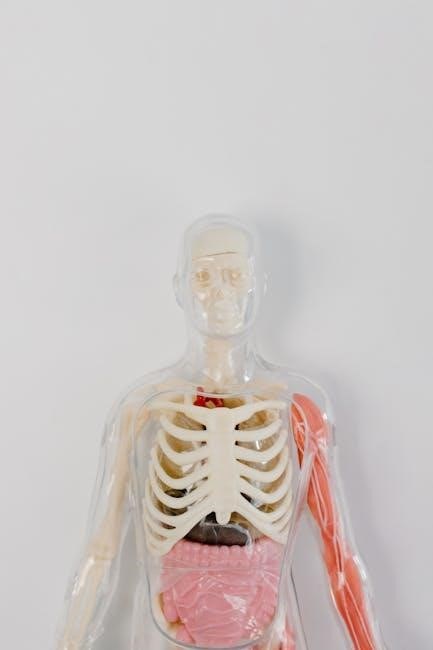
Pill cams, small wireless cameras, offer a non-invasive way to visualize the digestive tract.
They aid in diagnosing conditions, providing valuable insights without traditional endoscopy procedures.
What is a Pill Cam?
A Pill Cam, also known as a video capsule endoscopy, is a tiny, disposable camera contained within a gelatin capsule, roughly the size of a vitamin pill. Patients swallow it like any other medication. As it travels through the digestive tract – esophagus, stomach, and small intestine – it captures thousands of images, transmitting them wirelessly to a recorder worn on the body.
Unlike traditional colonoscopies or endoscopies, a Pill Cam doesn’t require sedation or insertion of instruments. It provides a direct visual examination of areas often difficult to reach with conventional methods. The captured images allow physicians to identify sources of bleeding, inflammation, ulcers, and other abnormalities within the gastrointestinal system.
Why Use a Pill Cam?
Pill cams are utilized when investigating unexplained gastrointestinal bleeding, particularly when other tests have yielded inconclusive results. They are also valuable in diagnosing Crohn’s disease, celiac disease, and small intestinal tumors. Patients experiencing chronic abdominal pain, iron deficiency anemia, or unexplained nausea and vomiting may benefit from this procedure.
The primary advantage lies in its non-invasive nature, avoiding the discomfort and risks associated with traditional endoscopy. It’s especially useful for examining the small intestine, a region challenging to reach with conventional scopes. Furthermore, the Pill Cam offers a more comfortable experience for patients who may be anxious about invasive procedures, providing a detailed view of the digestive tract without significant disruption to daily life.

Preparing for the Pill Cam Procedure
Preparation involves a special diet and medication adjustments, ensuring clear visualization. Your doctor will provide specific instructions tailored to your individual needs and medical history.
Dietary Restrictions Before the Procedure
Following a strict diet prior to your pill cam examination is crucial for optimal image quality. Typically, you’ll be asked to consume a clear liquid diet for 24-48 hours before the procedure. This includes things like water, clear broth, and clear juices – avoiding any solid food or brightly colored liquids.
Red or purple liquids should be strictly avoided as they can interfere with the camera’s visibility within the digestive tract. Your doctor may also recommend avoiding certain medications that could impact the examination. It’s essential to completely empty your stomach before swallowing the pill cam, adhering precisely to the provided timeline.
Detailed dietary guidelines will be given to you by your healthcare provider, so be sure to ask any clarifying questions to ensure full understanding and compliance.
Medication Considerations
Certain medications can interfere with the pill cam’s ability to capture clear images or even its transit through the digestive system. It’s vital to inform your doctor about all medications you are taking, including over-the-counter drugs, vitamins, and supplements.
Specifically, medications that affect bowel motility, such as laxatives or anti-diarrheal drugs, may need to be temporarily discontinued. Blood thinners may also require adjustment, depending on your individual medical history. Your physician will provide specific instructions regarding which medications to hold and for how long before the procedure.
Do not stop taking any prescribed medication without first consulting your doctor. Careful medication management is key to a successful and informative pill cam examination.
Discussing Concerns with Your Doctor
Open communication with your doctor is crucial before undergoing a pill cam examination. Don’t hesitate to voice any anxieties or questions you may have regarding the procedure, its purpose, or potential risks. Understanding the process can significantly reduce apprehension.
Discuss any pre-existing medical conditions, particularly those affecting the gastrointestinal tract, such as known strictures or swallowing difficulties. Clarify the expected timeline, from preparation to receiving results. Ask about potential discomfort and what to do if you experience any unusual symptoms.
Ensure you understand the dietary restrictions and medication adjustments required. A thorough discussion will empower you to participate actively in your care and ensure a smooth experience.
Swallowing the Pill Cam
Carefully follow your doctor’s instructions for swallowing the capsule. Remain upright, take it with plenty of water, and avoid lying down immediately afterward.
Proper Positioning for Swallowing
Achieving the correct body position is crucial for successful Pill Cam transit. Sit upright in a chair, ensuring your back is supported and your head is level. Avoid leaning forward or backward excessively, as this could influence the camera’s path. Do not swallow the capsule while lying down or reclining, as gravity assists in propelling the camera through the digestive system;
Maintaining an upright posture immediately after swallowing is equally important. This helps prevent the capsule from lodging in the esophagus. Remain in this position for at least 15-20 minutes, or as specifically directed by your physician. Avoid any strenuous activity or bending over during this initial period to ensure optimal camera movement and data capture.
Taking the Pill Cam with Water
Swallowing the Pill Cam is similar to taking a regular vitamin. Ensure you have a full glass (approximately 8 ounces) of water readily available. Place the capsule on your tongue and swallow it with the water in one smooth motion, just like you would with a pill. Do not chew or break the capsule, as this will damage the camera and prevent it from functioning correctly.
Avoid taking the capsule with carbonated beverages, milk, or any other liquids besides plain water, as these could interfere with image clarity; If you experience any difficulty swallowing, take small sips of water to assist. Confirm with your doctor if you have any pre-existing swallowing difficulties before the procedure.
What to Expect Immediately After Swallowing
Following ingestion, you likely won’t feel the Pill Cam traveling through your digestive system. It’s designed to be comfortable and pass naturally. You may experience a slight sensation, but it shouldn’t be painful or disruptive. Continue with your normal activities, unless otherwise instructed by your physician.
It’s crucial to avoid any strong sensations in your abdomen, like vigorous exercise, as this could potentially affect image quality. You won’t feel the camera “working” internally. The data recorder you wear will blink to confirm transmission; ensure it remains securely attached throughout the examination period. Report any unusual discomfort to your doctor immediately.

During the Pill Cam Examination
Remain active, but avoid strenuous activity. The data recorder transmits images; keep it close to your body. Normal sensations are expected during transit.
Normal Sensations During Transit
As the pill cam travels through your digestive system, you may experience a variety of normal sensations. Most individuals report feeling little to no discomfort. You might perceive a mild sense of the capsule moving along, similar to the normal feeling of digestion. Some individuals describe a fleeting sensation of fullness or slight cramping, which is generally temporary and harmless.
It’s important to understand that the capsule is smooth and designed to pass naturally. You shouldn’t feel any sharp pain or obstruction. If you do experience persistent or severe discomfort, or suspect the capsule has become lodged, contact your doctor immediately. The examination is generally well-tolerated, and these sensations are typically minimal and short-lived, allowing you to continue with most of your daily activities.
Activities You Can and Cannot Do
During the pill cam examination, you can generally continue with most of your normal daily activities. Light exercise, like walking, is perfectly acceptable and can even aid the capsule’s transit. You can typically work, read, and engage in other routine tasks without interruption. However, strenuous physical activity, such as heavy lifting or vigorous exercise, should be avoided as it could potentially affect the capsule’s progress.
Avoid activities that could interfere with the data transmission, like being in areas with strong electromagnetic interference. It’s also crucial to refrain from chest X-rays or MRI scans during the examination period. Follow your doctor’s specific instructions regarding activity limitations, as they may vary based on your individual health condition and the purpose of the test.
How Long Does the Examination Take?
The entire pill cam examination process, from swallowing the capsule to returning the data recorder, typically spans around 8 to 12 hours. The actual transit time of the capsule through your digestive system varies from person to person, usually taking between 6 to 12 hours; During this time, the camera captures images as it travels.
You’ll be asked to wear the data recorder belt for a specified period, generally until the capsule has been naturally expelled. Afterwards, you’ll return the recorder to your doctor for data download and analysis. The interpretation of the images and discussion of results will require additional time, scheduled during a follow-up appointment.
After the Pill Cam Examination
Post-procedure, promptly return the data recorder to your physician. Images are then downloaded for analysis, and any potential side effects should be reported immediately.
Returning the Data Recorder
Following the examination, it’s crucial to return the PillCam data recorder promptly to your healthcare provider. This recorder, typically worn on your abdomen, contains the valuable images captured during the capsule’s journey through your digestive system. Your doctor will provide specific instructions, often including a pre-paid mailing label or a designated drop-off location.
Do not attempt to open or disassemble the recorder. Ensure it is securely packaged to prevent damage during transit. Timely return is essential for efficient image analysis and accurate diagnosis. The recorder is a reusable medical device, and its prompt return allows other patients to benefit from this technology. Contact your doctor’s office if you have any questions regarding the return process.
What Happens to the Images?
Once the data recorder is returned, the images captured by the PillCam undergo a thorough review by your physician. Specialized software is used to display the thousands of images transmitted during the examination, allowing for a detailed assessment of your small intestine.
The doctor will carefully examine the footage, looking for any abnormalities such as inflammation, ulcers, bleeding, or tumors. This process requires significant time and expertise. The images are securely stored in compliance with patient privacy regulations. Your doctor will discuss the findings with you during a follow-up appointment, explaining the results and any necessary next steps.
Potential Side Effects and When to Seek Help
Generally, PillCam procedures are very safe and well-tolerated. However, some individuals may experience mild side effects like transient abdominal discomfort or bloating. Rarely, the capsule may become lodged in the digestive tract, requiring intervention.
Seek immediate medical attention if you experience severe abdominal pain, nausea, vomiting, or inability to pass gas or stool after swallowing the PillCam. These symptoms could indicate a blockage. Contact your doctor promptly if you notice any signs of bleeding from the rectum. While uncommon, these situations require prompt evaluation and treatment to ensure your well-being.
Understanding the Results
Your doctor will meticulously review the thousands of images captured by the PillCam to identify any abnormalities within your small intestine.
How Your Doctor Will Review the Images
After your procedure, the data recorder is synchronized with a computer, allowing your physician to view the extensive image collection. Specialized software assists in systematically reviewing the approximately 50,000+ images transmitted during the capsule’s journey through your digestive system.
The doctor carefully examines these images, searching for any signs of inflammation, ulcers, bleeding, or other abnormalities. They assess the mucosal lining of the small intestine, looking for patterns indicative of various conditions. The review process is detailed and requires significant time and expertise to ensure accurate interpretation.
Artificial intelligence is increasingly being used to aid in image analysis, flagging potential areas of concern for the physician’s attention, improving efficiency and accuracy.

What Conditions Can Pill Cams Detect?
Pill cams are particularly effective in identifying sources of gastrointestinal bleeding, especially in the small intestine where traditional endoscopy has limited reach. They can detect Crohn’s disease, ulcers, and tumors, providing crucial diagnostic information.
Furthermore, pill cams assist in diagnosing celiac disease by revealing damage to the small intestinal lining. They can also identify vascular abnormalities, polyps, and inflammatory conditions. The technology is valuable for investigating unexplained abdominal pain or chronic diarrhea.
However, it’s important to note that pill cams aren’t suitable for detecting all gastrointestinal issues, and further testing may be required depending on the findings.
Follow-up Appointments and Further Testing
Following your pill cam examination, a follow-up appointment with your doctor is crucial to discuss the results. The images captured are carefully reviewed to identify any abnormalities or areas of concern within your digestive tract.
Depending on the findings, further testing may be recommended. This could include a colonoscopy, upper endoscopy, or other imaging studies to confirm a diagnosis and determine the best course of treatment. Your doctor will explain the rationale behind any additional tests.
It’s essential to attend all scheduled appointments and openly communicate any ongoing symptoms or concerns you may have. Prompt follow-up ensures accurate diagnosis and effective management of your gastrointestinal health.

Pill Cam Technology Explained
Pill cams utilize a tiny camera within a capsule to capture images of the digestive tract.
Data is transmitted wirelessly, offering a comfortable and effective diagnostic tool.
How the Camera Works
Pill cams contain a miniature, disposable camera housed within a gelatin capsule, similar in size to a typical vitamin. Once swallowed, the camera is activated by digestive fluids and begins transmitting images – up to 50,000 – to a wearable data recorder. This recorder, worn around the waist, receives the video stream and stores the images for later review by your physician.
The camera itself employs a wide-angle lens and an integrated light source to provide clear visuals of the small intestine. It operates on battery power, lasting approximately 12 hours before being naturally excreted from the body. The entire process is painless and doesn’t require any sedation or bowel preparation beyond dietary restrictions, making it a patient-friendly diagnostic option.
Image Quality and Clarity
Pill cam image quality has significantly improved over the years, providing remarkably detailed views of the gastrointestinal tract. Modern pill cams capture color images with a resolution sufficient to identify subtle abnormalities like ulcers, inflammation, or bleeding sources. The wide-angle lens minimizes image distortion, offering a comprehensive perspective as the capsule travels through the digestive system.
While not equivalent to high-definition endoscopy, the clarity is generally adequate for diagnostic purposes. Factors influencing image quality include proper bowel preparation and patient adherence to pre-procedure dietary guidelines. Any remaining food particles can obscure the view. The system’s software also enhances images, aiding in the detection of even minor irregularities.
Data Transmission and Storage
Pill cam data transmission relies on a wearable receiver attached to the patient’s body. As the capsule journeys through the digestive tract, it continuously transmits images wirelessly to this receiver. The receiver records the data, storing thousands of images for later review by a physician. This process typically takes between eight and twelve hours, depending on individual gastrointestinal motility.
Once the examination is complete, the patient returns the data recorder to the doctor’s office. The images are then uploaded to a secure software platform for analysis. Patient data is handled with strict confidentiality, adhering to privacy regulations. Secure storage ensures the integrity and accessibility of the diagnostic information for future reference and comparison.

Troubleshooting Common Issues
If the pill cam fails to transmit, causes discomfort, or isn’t expelled, contact your doctor immediately. Retention requires prompt medical intervention for safe removal.
Pill Cam Not Transmitting Data
If your pill cam isn’t transmitting data as expected, several factors could be at play. First, ensure the data recorder is properly connected and charged, as a low battery can interrupt signal transmission. Verify the recorder is within range of the base station, avoiding obstructions like thick walls or metal objects.

Occasionally, interference from other electronic devices might disrupt the signal. Try moving away from potential sources of interference. If the issue persists, double-check that the pill cam was correctly activated upon swallowing. Contact your physician’s office immediately; they can remotely assess the situation and determine if a replacement recorder or further investigation is necessary. Do not attempt to retrieve the capsule yourself.
Discomfort or Pain After Swallowing
Mild discomfort or a fleeting sensation of the pill cam passing through the esophagus is generally normal. However, any persistent or escalating pain warrants immediate attention. Sharp, severe abdominal pain, nausea, vomiting, or signs of bleeding (like blood in your stool) are not typical and require prompt medical evaluation.
Contact your doctor immediately if you experience these symptoms. While rare, the capsule could potentially become lodged. Do not take any laxatives or attempt to induce vomiting, as this could complicate matters. Your healthcare provider will advise on the best course of action, which may include imaging to locate the capsule and, if necessary, endoscopic removal.
Pill Cam Retention
Pill cam retention, though uncommon, occurs when the capsule doesn’t pass through the digestive system within the expected timeframe – typically within 48-72 hours. Individuals with pre-existing gastrointestinal strictures or motility issues are at a higher risk. If you haven’t naturally expelled the capsule after this period, contact your physician immediately.
Do not attempt self-removal. Your doctor will likely order imaging tests, such as an X-ray, to pinpoint the capsule’s location. Endoscopic retrieval is usually required to remove the retained capsule, preventing potential complications. It’s crucial to follow your doctor’s instructions carefully and report any unusual symptoms promptly.