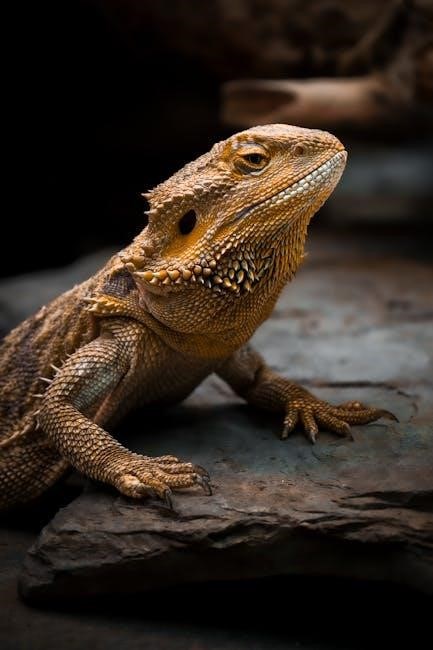
Bearded Dragon Size Guide: A Comprehensive Overview (Updated December 24, 2025)
Understanding a bearded dragon’s growth is crucial for responsible ownership. This guide details expected sizes at each life stage, from hatchling to adult,
considering factors like diet and environment.
Monitoring length and weight helps ensure optimal health and identify potential issues.
Average hatchlings measure around 3 inches and weigh 4-6 grams, rapidly increasing in size during the first few months.
Juveniles can reach 8-24 inches, while adults vary based on sex and morph.
Bearded dragons, native to Australia, are popular reptiles cherished for their docile nature and unique appearance. A fundamental aspect of responsible bearded dragon care revolves around understanding their growth patterns and achieving appropriate size. This isn’t merely about aesthetics; proper growth is a key indicator of overall health and well-being. Knowing what to expect at each stage – from a tiny hatchling to a fully grown adult – allows owners to provide optimal care, including appropriate enclosure size, diet, and environmental conditions.
Generally, a bearded dragon’s length correlates with age, particularly during the first year. However, several factors can influence this growth, leading to variations in size. These factors include genetics, diet, temperature, and UVB exposure. A healthy bearded dragon will exhibit consistent growth, while stunted growth can signal underlying health problems. Understanding the typical size ranges for each life stage is essential for identifying potential issues early on.
This guide provides a comprehensive overview of bearded dragon size, covering everything from hatchling measurements to adult dimensions. We will explore the expected growth rates, discuss the impact of various factors on size, and offer guidance on monitoring your dragon’s development. By understanding these aspects, you can ensure your bearded dragon reaches its full potential and enjoys a long, healthy life.
Factors Influencing Bearded Dragon Growth
Several interconnected factors significantly influence a bearded dragon’s growth rate and ultimate size. Genetics play a foundational role; some lineages naturally produce larger or smaller dragons. However, even with favorable genetics, inadequate care can hinder optimal development. Diet is paramount, requiring a balanced intake of protein, calcium, and vitamins to support bone and muscle growth.
Environmental conditions are equally crucial. Temperature directly impacts metabolism; insufficient warmth slows growth, while excessive heat can be detrimental. UVB exposure is vital for vitamin D3 synthesis, enabling calcium absorption – essential for skeletal development. Without adequate UVB, dragons can develop metabolic bone disease, severely stunting growth.
Furthermore, stress and illness can suppress appetite and hinder growth. Parasitic infections, respiratory issues, and impaction can all divert energy away from growth. Consistent monitoring of your dragon’s weight, appetite, and behavior is essential for identifying and addressing potential problems promptly. Providing a stimulating and enriching environment also contributes to overall well-being and supports healthy growth.
Hatchling Size and Weight
Newly hatched bearded dragons are remarkably small, typically measuring between 3 to 4 inches in length, from snout to the tip of their tail. Their weight at birth generally falls within the range of 4 to 6 grams – a mere fraction of their adult size. This initial size can vary slightly depending on the parents’ size and the incubation conditions of the eggs.
At this vulnerable stage, hatchlings are delicate and require meticulous care. Their small size makes them susceptible to dehydration and nutritional deficiencies. A proper setup with appropriate temperature gradients and UVB lighting is crucial for their initial growth and development. Offering appropriately sized food, such as small crickets or appropriately sized insects, is essential to ensure they receive adequate nutrition.
Regular weight checks are highly recommended during the first few weeks. A healthy hatchling should exhibit a gradual weight gain, indicating they are successfully digesting their food and utilizing nutrients. Any significant weight loss or failure to gain weight warrants immediate veterinary attention.
Bearded Dragon Growth Chart: First 3 Months
During the initial three months, bearded dragons experience a period of rapid growth. Hatchlings, starting at 3-4 inches and 4-6 grams, will noticeably increase in both length and weight. By the end of the first month, they typically reach 4-6 inches and weigh 8-12 grams, assuming a proper diet and husbandry.
Month two usually sees them extending to 6-8 inches in length and gaining weight to approximately 12-18 grams. This is a critical period for establishing a healthy feeding routine and monitoring their appetite. Consistent weight gain is a positive indicator of their well-being.
By month three, a healthy bearded dragon should measure around 8-9 inches and weigh between 18-25 grams. It’s important to note that these are averages, and individual growth rates can vary. Consistent monitoring of length and weight, coupled with observing their overall health and behavior, provides the best insight into their development during these crucial first three months.
Remember to document these measurements for tracking progress!
Growth Rate: Months 3-6
Following the rapid growth of the first three months, the rate of growth in bearded dragons typically begins to slow down, though it remains substantial between months 3 and 6. During this period, dragons transition from being primarily insectivores to incorporating more plant matter into their diet, influencing their growth trajectory.
Between months 3 and 4, expect an increase in length from approximately 9-12 inches, with weight gaining to around 25-35 grams. Regular monitoring is key, as appetite fluctuations can occur during shedding cycles. Months 5 and 6 see continued growth, reaching lengths of 12-18 inches and weights of 35-50 grams.
However, individual growth rates can vary significantly based on genetics, diet quality, and environmental factors; Consistent weight gain, even if slower than the initial months, is a positive sign. Owners should continue to provide a balanced diet and optimal basking temperatures to support healthy development during this crucial phase.
Consistent tracking of measurements is vital for identifying any potential issues.
Juvenile Size: 6-12 Months
As bearded dragons progress from 6 to 12 months, they enter a significant phase of maturation, transitioning from rapid growth to a more gradual increase in size. This period is characterized by continued muscle development and skeletal strengthening, preparing them for adulthood.
Typically, during these months, a juvenile bearded dragon will reach lengths ranging from 18 to 24 inches. Weight gain continues, generally falling between 50 to 80 grams, depending on genetics and diet. Appetite may fluctuate as they become more selective with their food.
Owners should observe changes in body condition, ensuring they aren’t becoming overweight or underweight. Providing a varied diet with appropriate calcium and vitamin D3 supplementation is crucial. Regular handling and interaction also contribute to their overall well-being during this formative stage.
Monitoring growth and behavior allows for early detection of any potential health concerns.
Adult Male Bearded Dragon Size
Mature male bearded dragons generally attain a larger size compared to their female counterparts. Once fully grown, typically around 18-24 months, males commonly reach lengths of 22 to 28 inches, though some individuals may exceed this range depending on genetics and care.
Weight in adult males typically falls between 300 to 600 grams, or even more in exceptionally large specimens. A healthy male will exhibit a robust build with well-developed muscles, particularly in the head and neck regions. These physical characteristics are often more pronounced during breeding season.
Owners should be aware that individual variation exists, and a slightly smaller or larger male is not necessarily cause for concern, provided they maintain a healthy body condition. Consistent monitoring of weight and overall health is essential for ensuring a long and fulfilling life.
Providing adequate space and enrichment is vital for supporting the needs of a larger male bearded dragon.
Adult Female Bearded Dragon Size

Adult female bearded dragons typically reach a slightly smaller size than males, although there is overlap. Generally, fully grown females measure between 18 to 24 inches in length, with some individuals potentially reaching up to 26 inches. This size is usually achieved around 18-24 months of age, similar to males.
Weight is a key indicator of health in females, typically ranging from 200 to 400 grams. However, weight can fluctuate significantly, especially during breeding season or when carrying eggs. A healthy female will have a well-proportioned body, though may appear broader in the abdomen than a male of similar length.
It’s important to note that females may increase in size temporarily when gravid (carrying eggs). Consistent monitoring of weight and body condition is crucial for identifying any potential health concerns. Providing a calcium-rich diet is particularly important for females to support egg production and overall health.
Owners should ensure adequate space and appropriate environmental conditions to support the needs of their female bearded dragon.
Comparing Size Between Morph Types
While the standard bearded dragon size range is fairly consistent, variations exist between different morphs. Generally, morphs don’t drastically alter the maximum potential size, but subtle differences in growth rates and overall build can be observed.
For example, some morphs, like the Witblits, are known for their slender build and may appear slightly smaller overall, even reaching the same length as other morphs. Conversely, morphs bred for heavier builds, such as the Dunner, may achieve a greater weight at a similar length.
Hypomelanistic and Translucent morphs, due to their reduced pigmentation, can sometimes appear larger visually, but this is often an illusion. Leatherback morphs often exhibit a more elongated body shape, potentially influencing perceived length.
It’s crucial to remember that genetics play a role, but diet, husbandry, and individual variation are more significant factors. Focusing on providing optimal care, regardless of morph, is paramount for healthy growth and reaching the dragon’s full potential.
The Role of Diet in Growth
Diet is a cornerstone of healthy bearded dragon growth, directly impacting both length and weight. A balanced diet, tailored to the dragon’s age and developmental stage, provides the necessary nutrients for optimal skeletal and muscular development.
Young bearded dragons, being primarily insectivores, require a high-protein diet to fuel rapid growth. Crickets, dubia roaches, and black soldier fly larvae are excellent staples. As they mature, the proportion of plant matter – collard greens, mustard greens, and squash – should increase.
Insufficient protein intake can lead to stunted growth, while an imbalanced diet lacking essential vitamins and minerals can cause metabolic bone disease, severely hindering development. Overfeeding, conversely, can result in unhealthy weight gain and potential health complications.
Variety is key; Offering a diverse range of insects and vegetables ensures a complete nutritional profile. Gut-loading insects with nutritious foods further enhances their value. Consistent access to fresh, clean water is also vital for overall health and growth.
Calcium and Vitamin D3 for Optimal Size
Calcium and Vitamin D3 are absolutely critical for achieving optimal size and preventing metabolic bone disease (MBD) in bearded dragons. Calcium is the primary building block of bone, while Vitamin D3 facilitates calcium absorption from the gut.
Without sufficient Vitamin D3, even a calcium-rich diet won’t be effectively utilized, leading to weakened bones and potential deformities. Bearded dragons obtain Vitamin D3 through exposure to UVB light, and dietary supplementation is often necessary, especially in indoor environments.
Supplementation should be carefully managed. Excessive calcium can also be detrimental, interfering with other mineral absorption. A general guideline is to dust insects with a calcium supplement (without D3) at most feedings, and a multivitamin with D3 once or twice a week.
Monitoring your dragon’s health and consulting with a reptile veterinarian are crucial to determine the appropriate supplementation schedule. Proper calcium and D3 levels are fundamental for healthy growth and a long, vibrant life.
Impact of Temperature and UVB on Growth
Temperature and UVB (ultraviolet B) light play interconnected, vital roles in a bearded dragon’s growth and overall health. Proper temperature gradients allow for effective digestion, which directly impacts nutrient absorption and, consequently, growth rate. A basking spot of 95-105°F (35-40°C) and a cool side of 75-85°F (24-29°C) are essential.
UVB light is crucial for Vitamin D3 synthesis, as previously discussed, enabling calcium absorption. Without adequate UVB exposure, even a calcium-rich diet won’t support proper bone development and growth. The UVB bulb must be appropriate for the distance to the basking spot and replaced every 6-12 months, as UVB output diminishes over time.
Insufficient temperatures can lead to sluggish digestion and reduced appetite, hindering growth. Lack of UVB results in metabolic bone disease, severely stunting growth and causing debilitating health problems. Maintaining these environmental factors is non-negotiable for a thriving bearded dragon.
Regular monitoring of temperatures and UVB output is highly recommended.
Recognizing Stunted Growth

Stunted growth in bearded dragons manifests as a failure to reach expected size milestones for their age. Comparing your dragon’s length and weight to a reliable growth chart (like the one discussed previously) is the first step in identification. A dragon significantly smaller or lighter than average for its age warrants investigation.
Observable signs include disproportionately thin limbs, a soft jaw (indicative of metabolic bone disease), and a generally underdeveloped physique. Beyond size, look for behavioral changes like lethargy, decreased appetite, or difficulty moving. These can be secondary symptoms linked to underlying issues causing the stunted growth.
It’s crucial to differentiate between a naturally smaller dragon (due to genetics or morph) and one experiencing true stunted growth. Consistent monitoring and accurate record-keeping of weight and length are essential. Early recognition is key, as addressing the underlying cause promptly improves the chances of correcting the issue and improving your dragon’s quality of life.
Consult a veterinarian immediately if you suspect stunted growth.
Causes of Stunted Growth in Bearded Dragons
Several factors can contribute to stunted growth in bearded dragons. The most common is nutritional deficiency, particularly insufficient calcium and vitamin D3, leading to Metabolic Bone Disease (MBD). MBD weakens bones, hindering proper development and causing deformities.
Inadequate temperature and UVB exposure are also significant culprits. Reptiles rely on external heat sources to regulate body temperature and metabolize calcium. Insufficient UVB prevents vitamin D3 synthesis, exacerbating calcium deficiencies. Parasitic infections can steal nutrients, impeding growth, while genetic predispositions can sometimes play a role.
Poor husbandry practices, such as improper enclosure size or inadequate basking spots, contribute to stress and reduced appetite. Chronic stress suppresses the immune system and hinders growth. Finally, underlying medical conditions, though less common, can also impact development. A thorough veterinary examination is crucial to pinpoint the exact cause and implement appropriate treatment.
Addressing these issues is vital for restoring healthy growth.
Addressing Stunted Growth: What Can You Do?
Reversing stunted growth requires a multifaceted approach, starting with a veterinary assessment to identify underlying causes. Correcting nutritional deficiencies is paramount; supplement with calcium and vitamin D3 as directed by your vet. Ensure a varied diet rich in insects and leafy greens.
Optimize husbandry by providing appropriate temperature gradients and a high-quality UVB bulb, replaced every six months. Increase enclosure size if necessary, offering ample space for exercise. Deworming is crucial if parasites are present, and stress reduction is vital – minimize handling and provide hiding spots.
Monitor your dragon’s weight and length regularly to track progress. Consistent care and patience are key, as recovery can be slow. In severe cases, supportive care like fluid therapy or assisted feeding may be needed. Early intervention significantly improves the chances of restoring healthy growth and improving your dragon’s quality of life.
Remember, prevention is always better than cure.
Monitoring Your Bearded Dragon’s Growth
Regular monitoring of your bearded dragon’s growth is essential for ensuring optimal health and identifying potential problems early. Weigh your dragon weekly using a digital kitchen scale, and measure its length from snout to vent (excluding the tail) monthly. Keep a detailed log of these measurements to track progress over time.
Compare your dragon’s growth to established growth charts, noting any significant deviations from the average. Observe its overall body condition – is it appearing thin or losing muscle mass? Pay attention to appetite changes, lethargy, or any other signs of illness.
Consistent monitoring allows you to proactively address issues like inadequate diet, improper husbandry, or underlying health conditions. Photographic documentation can also be helpful, providing a visual record of your dragon’s development. Share your findings with a veterinarian during routine check-ups for professional guidance and support.
Early detection is key to successful intervention.
Weight vs. Length: What’s More Important?
Determining whether weight or length is more important when monitoring a bearded dragon’s growth isn’t straightforward; both are crucial indicators of health. Length generally reflects age, particularly during the first year, but weight provides insight into overall body condition and nutritional status.
A dragon may be reaching an appropriate length for its age but still be underweight, signaling a dietary deficiency or underlying health issue. Conversely, a dragon could be a suitable weight but stunted in length, indicating potential husbandry problems or genetic factors.
Ideally, weight and length should correlate. Consistent weight gain alongside increasing length suggests healthy growth. Focusing solely on length can mask underlying health concerns, while prioritizing weight alone ignores potential skeletal development issues. Regularly assess both metrics for a comprehensive understanding of your dragon’s well-being.
A holistic approach is vital for optimal care.
Common Size Concerns and Misconceptions
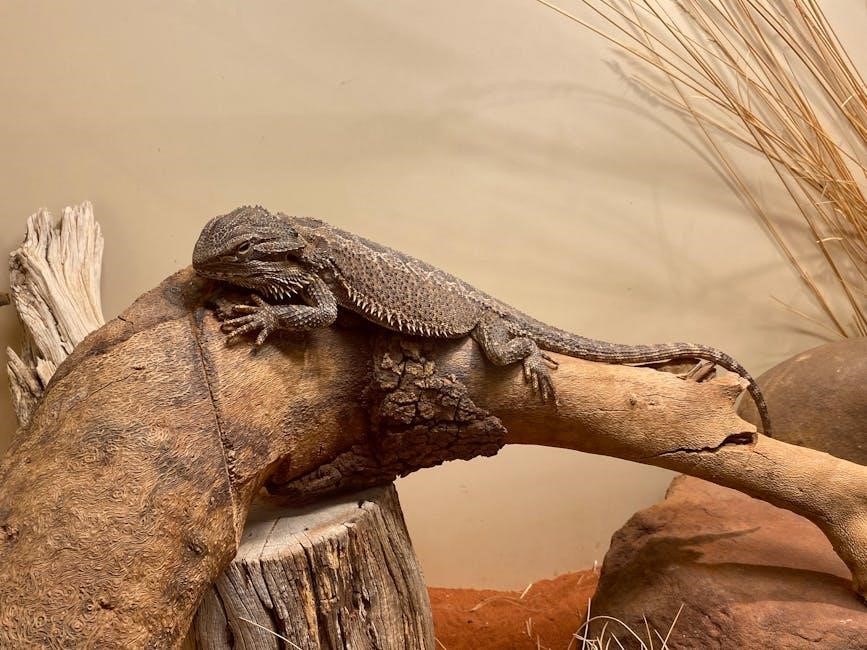
Many owners worry if their bearded dragon doesn’t precisely match published growth charts. Individual variation is significant; genetics, diet, and environment all play a role, meaning dragons grow at different rates. A slight deviation from average isn’t necessarily cause for alarm.
A common misconception is that larger always equals healthier. While adequate size is important, a dragon that’s excessively large could be experiencing rapid, unhealthy growth, potentially linked to improper diet or excessive supplementation. Conversely, some believe smaller dragons are inherently inferior – this isn’t true; some morphs naturally remain smaller.
Another concern is inconsistent weight gain alongside length increases. Sudden drops or plateaus in weight warrant veterinary attention. Remember, consistent monitoring and a proactive approach to husbandry are key to addressing legitimate size concerns and dispelling common myths.
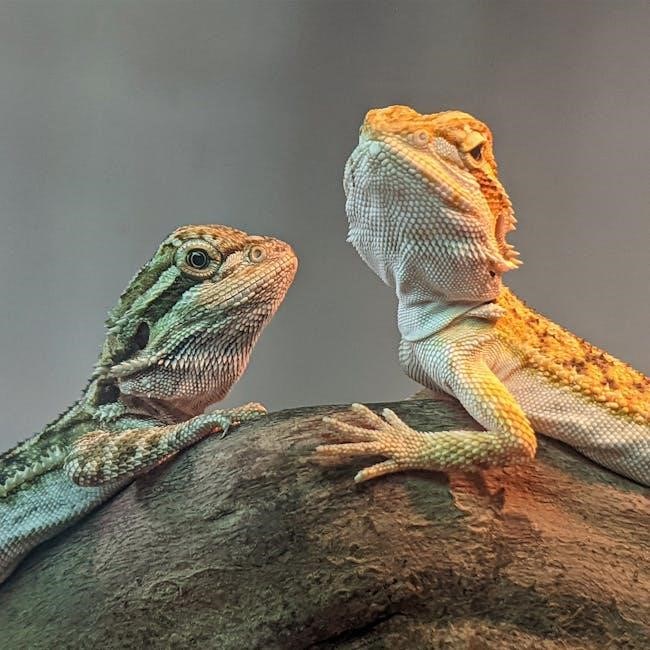
Trust your veterinarian’s assessment.
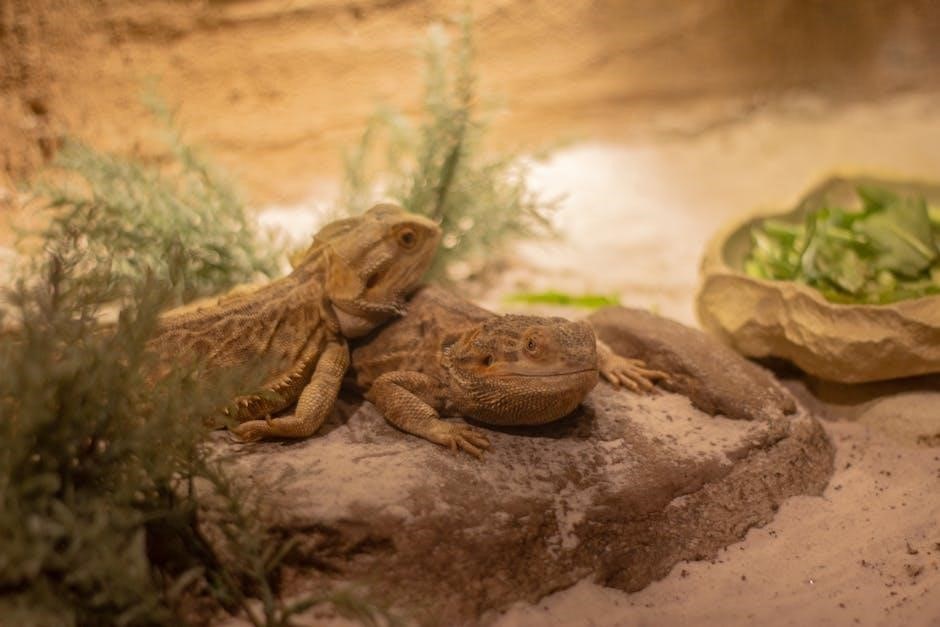
Resources for Further Information on Bearded Dragon Size
Expanding your knowledge beyond this guide is crucial for optimal bearded dragon care. Reputable online forums, such as those dedicated to reptile keeping, offer valuable insights from experienced owners and breeders. However, always critically evaluate information and cross-reference with trusted sources.
Veterinary websites specializing in exotic animal medicine provide detailed articles on growth, health, and potential issues. Consider consulting with a qualified herp veterinarian for personalized advice tailored to your dragon’s specific needs. They can offer accurate assessments and address any concerns you may have.
Several books dedicated to bearded dragon care offer comprehensive information on all aspects of husbandry, including growth and development. Look for publications authored by experienced reptile veterinarians or herpetologists. Remember, continuous learning is essential for providing the best possible care for your scaled companion.
Always prioritize professional veterinary guidance.